

Your second workout starts with your first recovery meal.
When you finish a morning ride and plan an afternoon run, you need more than a protein shake. You also need to replace the carbohydrate you used during that first session. Skip that step, and you may start your next workout with tired legs, a higher perceived effort, and less capacity to hold your target pace.
You don’t need an aggressive recovery plan after every workout. But when you stack demanding sessions close together, you can use the hours between them to protect the quality of your next effort. Here’s how to decide when rapid refueling matters and what to eat.
First, check how much recovery time you have
You store carbohydrate as glycogen in your muscles and liver. During prolonged or intense exercise, you draw on those stores to support your effort. Afterward, carbohydrate-rich food helps you rebuild them.
Your recovery timetable changes your priorities. With a full day before your next demanding session, you can usually focus on eating enough carbohydrate across your regular meals and snacks. With only a few hours, you need a more deliberate approach.
In the joint position statement on nutrition and athletic performance from the Academy of Nutrition and Dietetics, Dietitians of Canada, and the American College of Sports Medicine, you’ll find a rapid-refueling guideline of 1.0–1.2 grams of carbohydrate per kilogram of body weight per hour for the first four hours when you have less than eight hours between fuel-demanding sessions.
Treat that as a specific recovery tool, not a rule for every training day.
Decide whether you actually need rapid refueling
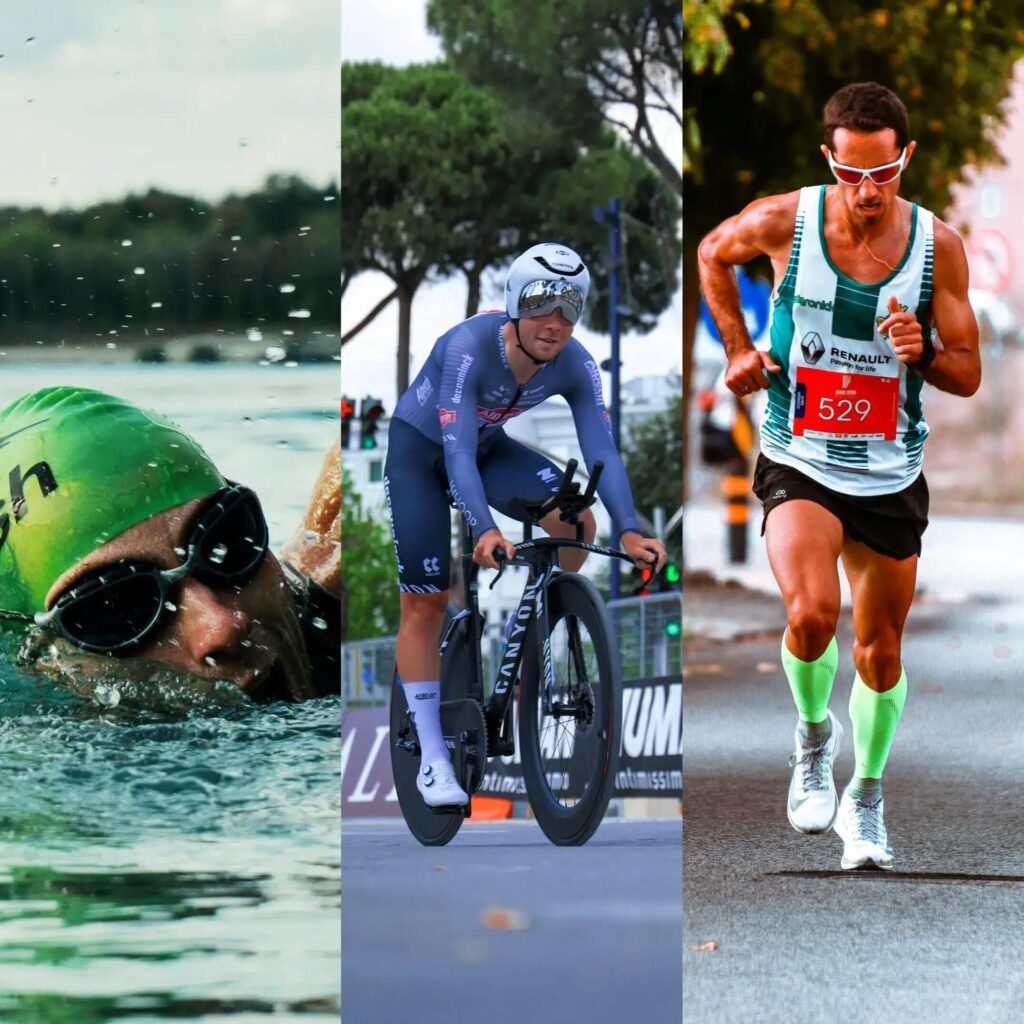
You’ll get the most value from this approach when your first session uses substantial glycogen and your next session also requires quality work. Think a long morning ride followed by an afternoon run, or a demanding swim followed by cycling intervals.
- Prioritize rapid refueling: You finish a long or hard workout and face another demanding session within a few hours.
- Use ordinary meals and snacks: You finish a short, easy session and have plenty of time before your next hard effort.
- Reconsider the schedule: You repeatedly struggle to eat enough between sessions or begin your second workout exhausted despite a sensible recovery plan.
You also need to count the fuel you took in during your first workout. If you barely ate during a long ride, your recovery meal has more ground to cover. You can’t reliably rescue an underfueled morning with one enormous lunch.
Turn the carbohydrate target into food
If you weigh 70 kilograms, the rapid-refueling range works out to 70–84 grams of carbohydrate per hour. Across four hours, that totals 280–336 grams. That’s a substantial amount, which explains why a small shake or a handful of crackers won’t cover this particular recovery job.
You don’t have to eat everything at once. You can spread your intake across meals, snacks, and drinks, using nutrition labels to check the amounts.
Build your first recovery meal around carbohydrate
For roughly 80 grams of carbohydrate, you might combine a bagel providing 45 grams, a banana providing 25 grams, and a cup of milk providing 12 grams. Your total would reach 82 grams. Your actual numbers will vary with the product and portion size, so check rather than assume.
You can take a savory route, too: a cup of cooked rice providing about 45 grams, an orange providing about 15 grams, and a yogurt providing 15 grams would give you approximately 75 grams. Add a protein source to the rice, then adjust the carbohydrate portions to suit your target.
Your recovery food doesn’t need a sports label.
Keep protein, but don’t let it crowd out carbohydrate
You still need protein to support muscle repair. But when you face a short turnaround, a protein-only recovery drink leaves your carbohydrate needs largely untouched. Pair your protein with bread, rice, cereal, potatoes, fruit, or another carbohydrate source.
You can use Protein Pacing for Endurance Athletes: How to Spread Recovery Fuel Across the Day to organize your protein intake. For this between-session window, keep carbohydrate at the center of your refueling plan rather than treating it as an optional side.
Make a six-hour turnaround manageable
Suppose you finish your morning workout at 8:30 a.m. and start your next session at 2:30 p.m. If you genuinely need rapid glycogen restoration, use the first four hours for steady carbohydrate intake. Then adjust your final pre-workout food to your appetite and stomach comfort.
- 8:30 a.m.: Eat a carbohydrate-rich breakfast with protein. If you can’t face solid food immediately, start with a drink and follow with food.
- 9:30 a.m.: Have a planned snack rather than waiting until lunch.
- 10:30 a.m.: Continue with another manageable carbohydrate serving.
- 11:30 a.m.: Eat an early lunch that helps you complete your first four hours of refueling.
- Before 2:30 p.m.: Choose a familiar, comfortable top-up if you need one, and plan fuel for the next session itself.
Match your portions to your body weight and recovery needs; don’t copy the timing and ignore the totals. If large meals leave you uncomfortable, split each hour’s intake into smaller servings. You can also combine food with carbohydrate-containing drinks instead of forcing another full plate.
Judge the plan by your next workout
For your next double-session day, write down what you eat between workouts and how your second session feels. Track your energy, stomach comfort, and ability to complete the planned work. You’ll learn more from those details than from whether you felt hungry after breakfast.
If you consistently struggle across multiple training days, look beyond this recovery window. Review your total intake with Underfueling in Endurance Training: The Signs You’re Not Eating Enough, and consider support from a sports dietitian.
Your practical takeaway: when you stack demanding workouts, plan the food between them as carefully as the sessions themselves. Start refueling promptly, spread carbohydrate into manageable portions, include protein, and arrive at your next workout ready to train.



Leave a Reply