
Your morning workout needs a recovery plan.
You finish your run, ride, or swim with just enough time to shower and start work. Breakfast becomes coffee, a hurried bite, or something you promise yourself you’ll find later. By lunchtime, you feel ravenous. By your next workout, you wonder why your usual pace feels harder.
You might blame your schedule or your training plan. But before you rearrange your workouts, check what happens between your morning session and your first proper meal.
When you train around work and family, breakfast serves a practical purpose: it helps you recover without adding another demand to your calendar. You don’t need an elaborate menu. You need enough food, the right priorities, and a breakfast you can reliably eat.
Separate recovery urgency from recovery importance
You don’t face the same recovery deadline after every workout. After an easy 30-minute run, with no training until tomorrow, you can usually eat your normal breakfast. After a demanding morning ride followed by an evening swim, you need to replenish fuel more deliberately.
Your next session determines the urgency.
According to the joint Nutrition and Athletic Performance position statement, when you have less than eight hours between fuel-demanding sessions, you can target 1–1.2 grams of carbohydrate per kilogram of body weight per hour during the first four hours of recovery. That’s a rapid-refueling strategy, not a requirement after every morning jog.
At 70 kilograms, that target works out to 70–84 grams of carbohydrate per hour. If you have a full day or more before your next demanding session, you can focus instead on eating enough across your meals and snacks. You don’t need to turn an ordinary training morning into a stopwatch-driven nutrition exercise.
Give breakfast three clear jobs
You can keep your recovery breakfast simple by giving it three jobs: replenish carbohydrate, provide protein, and replace some of the fluid you lost.
1. Match carbohydrate to the session
You use carbohydrate to support training, particularly as duration and intensity increase. After a longer or harder workout, make carbohydrate a substantial part of breakfast rather than an afterthought. Choose familiar foods such as oats, bread, cereal, rice, potatoes, or fruit.
You might need only your usual breakfast after an easy swim. After a long ride, you might add another serving of oats, extra toast, or a bagel alongside your usual food. If you fueled well during the ride, you still need breakfast; you simply start recovery from a better position.
2. Include a meaningful protein serving
You support muscle repair and adaptation when you include protein after training. The same position statement recommends approximately 0.3 grams of protein per kilogram of body weight in the early recovery period. At 70 kilograms, that gives you a useful reference point of about 21 grams.
You can reach that amount through ordinary food. Build breakfast around yogurt, milk, eggs, tofu, or another protein source you enjoy, and check portions rather than assuming a small spoonful supplies enough. You can use a protein supplement for convenience, but you don’t need one if your food covers the job.
3. Drink alongside your food
You can start replacing fluid while you eat, then continue drinking through the morning. After a hot or sweaty session, you may also need sodium through food or an appropriate drink. Avoid forcing a fixed volume after every workout: your sweat losses, weather, session length, and recovery window all change your needs.
Choose breakfast by your morning, not by an ideal routine
You’re more likely to eat enough when breakfast fits the morning you actually have. Keep two or three options that use familiar ingredients and require little decision-making.
- If you can sit down: Try oats with milk or fortified soy milk, yogurt, and fruit. Adjust the oat and fruit portions to match your training demand.
- If you need something portable: Pair a bagel or sandwiches with yogurt and fruit. Keep any perishable food chilled until you eat it.
- If you struggle with appetite: Try a smoothie with milk or fortified soy milk, yogurt, banana, and oats. Follow it with more food later if you can’t comfortably meet your needs immediately.
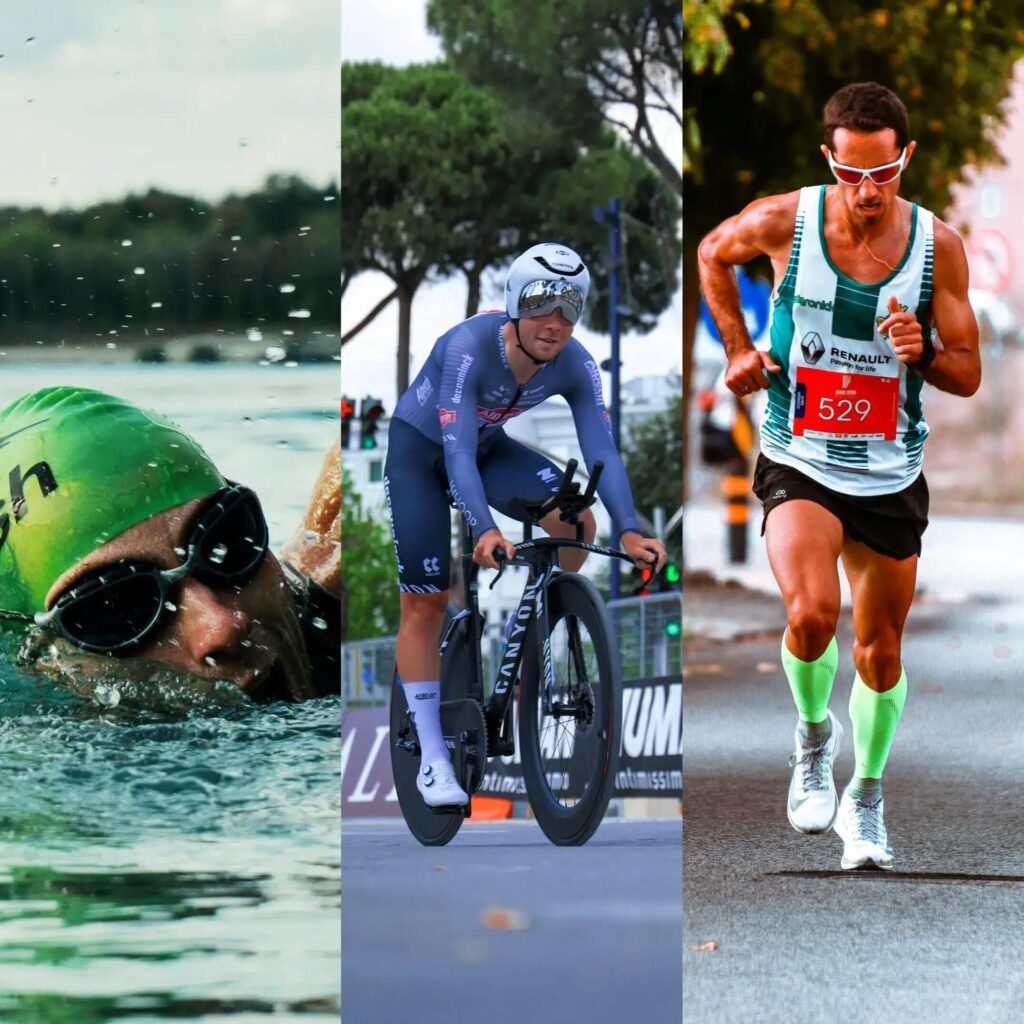
You don’t need a different recipe for running, cycling, and swimming. You need portions that reflect what you did and what comes next. A short technique swim and a two-hour ride shouldn’t automatically lead to identical breakfasts.
Don’t let a quick breakfast become your whole recovery plan
You can eat a sensible breakfast and still underfuel the rest of your day. If meetings regularly push lunch into midafternoon, plan a substantial snack rather than expecting breakfast to carry you indefinitely. If you train again that evening, give yourself time to eat beforehand as well.
You also can’t fix poor sleep, excessive training load, or illness with a bigger bowl of oats.
If you keep struggling through sessions, review the wider picture before adding intensity. You can use The Medium-Hard Trap to check whether you keep turning easy training into another demanding effort. If you experience persistent fatigue, recurrent injuries, or unexplained performance decline, speak with a qualified healthcare professional or sports dietitian.
Protect the workout you haven’t done yet
Your next useful step doesn’t require another training hour. Choose one reliable breakfast, make its portions suit your morning session, and check when you’ll next eat.
When you have a short recovery window, prioritize prompt refueling. When you have more time, prioritize enough food across the day. Either way, treat breakfast as part of supporting your next workout, not as an optional task you squeeze in after everything else.



Leave a Reply