

Race week creates a strange temptation: the closer the event gets, the more urgent every workout can feel. Missed a session? Add a few miles. Feeling good? Squeeze in one last hard effort. Feeling nervous? Train until the nerves disappear.
The modern taper points in the opposite direction. The goal is not to become fitter during race week. It is to arrive with the fitness you have already built, while reducing the fatigue that can hide it.
The key update: cut volume, not all intensity
Research on tapering, including a widely cited meta-analysis published in Sports Medicine, has consistently found that endurance athletes tend to perform best when training volume falls substantially before competition while intensity is largely maintained. Frequency may stay similar, or decline only slightly.
That does not mean completing normal workouts at full volume. It means keeping a small amount of race-relevant intensity while removing the extra easy miles, repetitions, and accumulated fatigue around it.
For many athletes, a useful starting point is reducing total training volume by roughly 40 to 60 percent during the final seven to 14 days. The exact amount depends on the event, training history, injury status, and how quickly the athlete normally recovers.
Why total rest can backfire
A complete shutdown may sound like the safest option, but several days without any faster running, harder cycling, or race-specific swimming can leave athletes feeling flat. The issue is not that fitness disappears immediately. It is that the body may lose some familiarity with the rhythm and coordination required at race pace.
Short, controlled efforts provide a reminder without creating meaningful fatigue. A runner might include four to six relaxed strides after an easy run. A cyclist could complete a few brief efforts at threshold or target race intensity. A swimmer might use short race-pace repetitions with generous recovery.
These sessions should finish with the athlete wanting more. If the workout becomes a test, it has missed the point.
A practical taper for a weekend race
Here is one example for an athlete racing on Sunday. It is a framework, not a prescription.
- Monday: Easy training at normal frequency, but with reduced duration.
- Tuesday: A short session containing a few race-pace efforts. Keep the recovery generous and stop before form deteriorates.
- Wednesday: Easy movement or rest, depending on fatigue.
- Thursday: A brief aerobic session with a handful of strides or short pickups.
- Friday: Rest or very easy movement.
- Saturday: A short “opener” session, such as 15 to 30 minutes easy with two or three brief efforts, if this normally helps you feel ready.
- Sunday: Race.
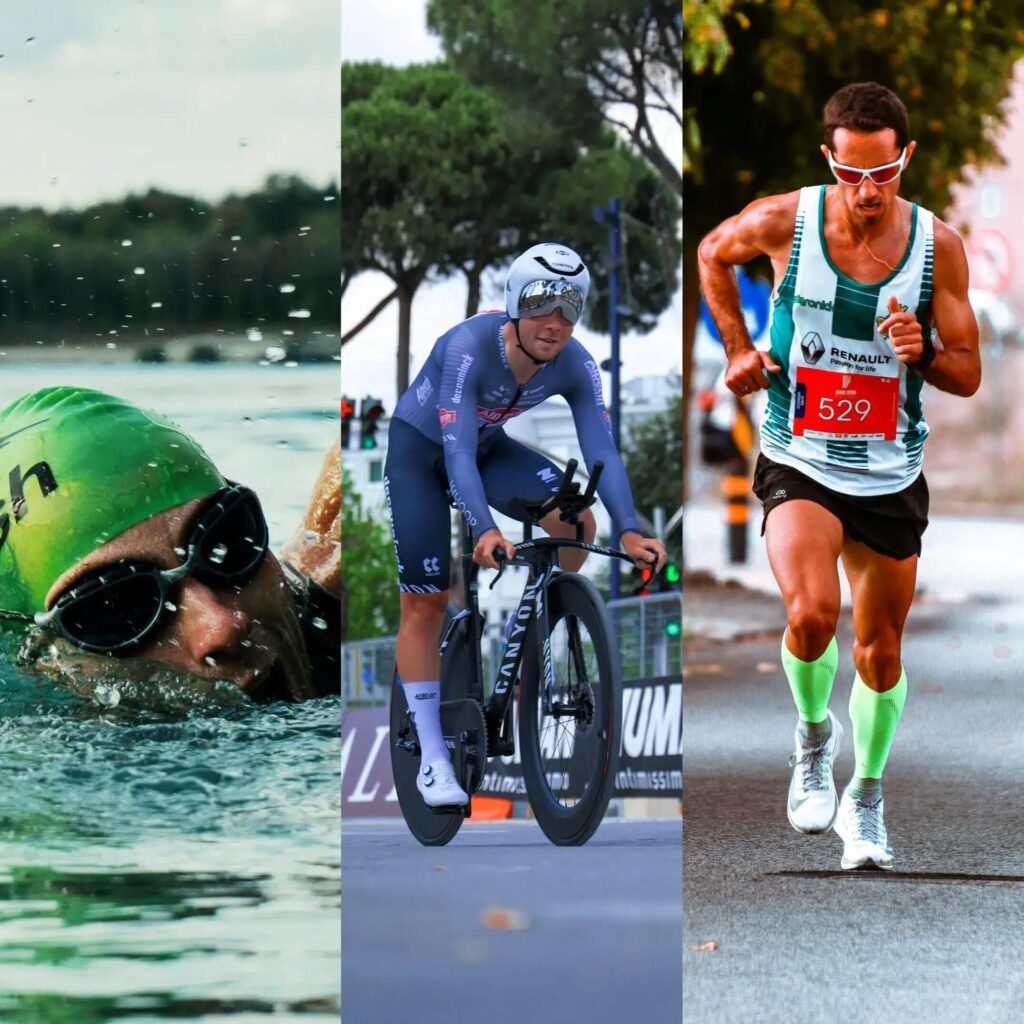
A cyclist preparing for a long event might reduce riding time while keeping a few three- to five-minute efforts at expected race intensity. A swimmer may cut total distance but retain some short repetitions at race pace. The sport changes, but the principle stays the same: preserve coordination and confidence while lowering the overall workload.
The final week is not the time to fix fitness
Late race anxiety often leads to last-minute experiments: a new interval format, extra strength work, a different shoe, or a much longer “confidence” session. None of these can create meaningful endurance in a few days. All of them can create soreness, disrupted sleep, or gastrointestinal trouble.
Strength training deserves particular caution. If you already use it regularly, a light maintenance session may fit early in race week. Heavy lifting, high-repetition work, and unfamiliar exercises are poor choices close to an important event because muscle damage can linger after the soreness fades.
How to adjust the taper to your training history
Not every athlete needs the same reduction. Someone training twice a day with a large weekly load may benefit from a longer, more pronounced taper. A recreational athlete training three or four times per week may need only a modest reduction, since their normal fatigue load is already lower.
- If your legs usually feel heavy late in a training block, begin reducing volume closer to 14 days out.
- If you tend to feel sluggish after too much rest, keep short race-pace reminders in the week.
- If you are managing an injury or illness, recovery takes priority over preserving intensity.
- If the race is unusually long, reduce volume but avoid turning the final week into complete inactivity.
The best taper is often the one that resembles your normal routine, only shorter and more deliberate. A taper should reduce uncertainty, not introduce a new schedule that your body has never experienced.
Use the taper to arrive ready, not merely rested
Track how you feel during the final week, but do not demand perfect sensations every day. Some athletes feel unusually energetic. Others feel flat, restless, or anxious before the race. None of these feelings reliably predicts performance on its own.
Instead, focus on the controllables: shorter sessions, a small amount of familiar intensity, normal meals, sensible hydration, and no last-minute heroics. The training has already done its job. The taper gives that work room to show up.
The takeaway: reduce training volume significantly, keep intensity brief and familiar, and tailor the length of the taper to your normal workload and recovery pattern. Race week is not a final fitness test. It is the bridge between preparation and performance.



Leave a Reply