

The workout is rarely the real problem.
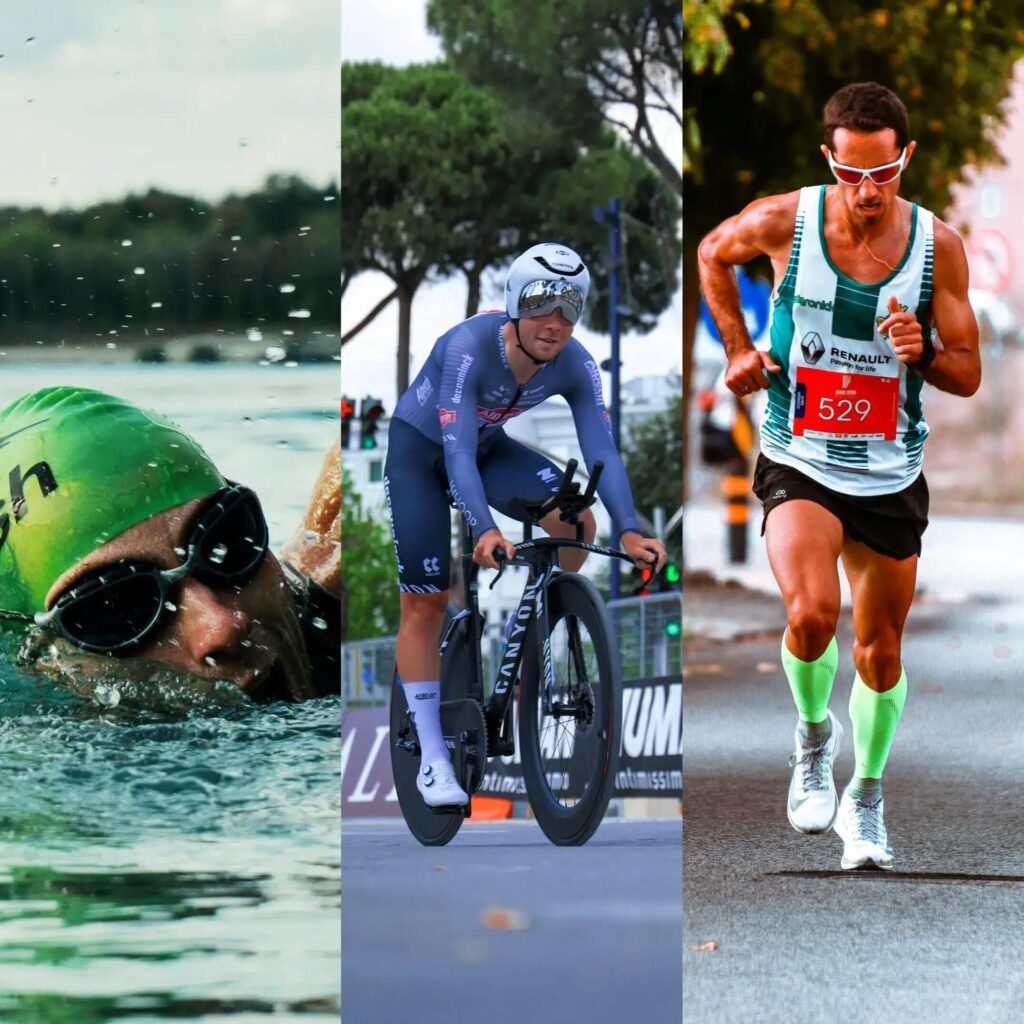
For time-crunched runners, cyclists, swimmers, and triathletes, the hidden drain is everything around the workout: finding clean kit, charging devices, deciding on a route, driving to the pool, loading the bike, hunting for goggles, scrolling through possible sessions, then losing another ten minutes getting started.
A 45-minute run can quietly become a 75-minute event. A one-hour ride can eat half the morning. And when life is already crowded, that extra friction is often what makes training feel impossible.
That’s where a friction audit helps. Instead of asking, “How do I train harder?” it asks, “Where am I leaking time before, during, and after training?”
Fix those leaks, and you can protect consistency without adding more stress to your week.
What Is a Friction Audit?
A friction audit is a simple review of the non-training tasks that surround your workouts. It looks at the small points of resistance that make sessions harder to start, longer to complete, or easier to skip.
For endurance athletes, friction usually shows up in five places:
- Gear and clothing
- Travel time
- Workout decisions
- Warm-up and cool-down logistics
- Post-workout cleanup, food, and recovery
None of these seem like a big deal on their own. But if you lose 12 minutes before every workout and you train five times per week, that is an hour gone. Not from training. From avoidable drag.
The goal is not to become obsessive. The goal is to make starting easier.
Step 1: Track the “Door-to-Door” Cost
Most athletes track moving time. Busy athletes should also track door-to-door time.
Door-to-door time is the total time from when you stop normal life and begin preparing to train, to when you are fully back and ready for the next responsibility.
For example:
- A 40-minute run might take 55 minutes door-to-door.
- A 60-minute swim might take 95 minutes with driving, changing, and showering.
- A 75-minute outdoor ride might take two hours once you include bottles, tires, lights, kit, and cleanup.
For one week, write down both numbers: training time and total time. Don’t judge it. Just collect the data.
You may find that your “short” swim is actually the most expensive session of the week. Or that a run from your front door is your highest-value workout because almost every minute goes toward fitness.
Step 2: Identify Your Highest-Friction Session
Not all workouts create the same logistical load.
Swimming often has high friction because it depends on pool hours, lane availability, packing, travel, and changing. Cycling can have high friction because of equipment prep, weather decisions, safety checks, and route planning. Running is usually lower friction, but even runners can lose time deciding what session to do or where to go.
Triathletes have the biggest challenge because they manage three sports, each with different gear and time demands.
Once you know your highest-friction session, don’t automatically cut it. Instead, ask: can I make this easier to start?
Examples:
- Move one swim to lunchtime if the pool is near work.
- Keep a packed swim bag in the car with a second pair of goggles and cap.
- Use the trainer for weekday bike intervals and save outdoor rides for the weekend.
- Run from home on school mornings instead of driving to a preferred route.
- Pre-load bike bottles and breakfast the night before a long ride.
The best session is not always the perfect session. It is often the one you can repeat without negotiating with your whole day.
Step 3: Remove Decisions Before They Happen
Decision-making burns time and attention. It also gives doubt a chance to enter.
If you stand in the kitchen at 6:05 a.m. asking, “Should I do tempo, hills, or easy miles?” you are already losing momentum.
Use defaults instead.
A default is a pre-made choice that applies unless there is a clear reason to change it. This works especially well for athletes with demanding schedules because it reduces the mental load of training.
Here are practical defaults:
- Tuesday is quality run day.
- Thursday is indoor bike intervals.
- Friday swim is technique only.
- Saturday is the long session.
- If sleep is under six hours, intensity becomes easy aerobic work.
- If the weather is unsafe, the ride moves indoors.
You are not removing flexibility. You are removing daily debate.
This pairs well with the idea of prioritizing key sessions when life gets messy, which we covered in Training Triage: How to Save Your Week When Life Wrecks Your Plan. A friction audit helps before the week breaks. Triage helps after it does.
Step 4: Build “Launch Pads” for Each Sport
A launch pad is a place where everything needed for a workout lives together.
It sounds basic. It works because it prevents the classic busy-athlete spiral: one missing sock, one dead watch, one empty bottle, one misplaced swim card, and suddenly the session is gone.
Run launch pad
- Shoes
- Socks
- Weather-appropriate kit
- Headlamp or reflective gear
- Watch and headphones charged
- Key, ID, or card
Bike launch pad
- Helmet
- Shoes
- Computer charged
- Lights charged
- Bottles ready
- Flat kit checked
- Trainer towel and fan if riding indoors
Swim launch pad
- Suit
- Goggles plus spare goggles
- Cap
- Towel
- Lock or membership card
- Shampoo and work clothes if needed
The key is duplication. If you can afford it, keep extra low-cost items in the places you train from most often. A second pair of goggles, a spare towel, backup socks, or a charger at work can save entire sessions.
Step 5: Match Workout Type to Life Cost
Some workouts need more setup than others. That does not make them bad. It just means they should be placed carefully.
A high-focus interval session should not be squeezed into the most chaotic hour of your week. A technical swim should not be planned for a day when pool access is uncertain. A long ride should not depend on a morning where you also need to manage breakfast, kids’ sport, errands, and a hard stop at 10 a.m.
Instead, match the workout to the available bandwidth.
| Life situation | Best-fit session |
|---|---|
| Early morning with a hard stop | Short run from home or indoor bike intervals |
| Lunch break near a pool | Focused swim set |
| Low sleep night | Easy aerobic session or mobility |
| Weekend with open time | Long ride, long run, brick, or open-water swim |
| Travel day | Short maintenance run or bodyweight strength |
This is different from cramming more work into the same block of time, which we explored in Training Density: How to Get More Fitness From the Same 45 Minutes. Here, the focus is on protecting the block itself by reducing everything that surrounds it.
Step 6: Create a 10-Minute Exit Routine
Efficiency does not end when the watch stops.
If post-workout chaos makes you late, underfed, or rushed, your next session becomes harder. A simple exit routine helps you return to life quickly without skipping basic recovery.
Try this 10-minute structure:
- Minute 1–2: Stop, save workout, note one quick comment if useful.
- Minute 3–5: Change out of wet or sweaty clothes.
- Minute 6–8: Eat or drink something with carbohydrate and protein if the session was long or hard.
- Minute 9–10: Put gear where it needs to go for cleaning, charging, or repacking.
You do not need a perfect recovery protocol after every short workout. But you do need enough structure that training does not create more mess for the rest of your day.
A Simple Friction Audit You Can Do This Week
Pick three workouts this week and answer these questions after each one:
- How long was the actual workout?
- How long was the total door-to-door time?
- What delayed the start?
- What made the session feel harder to begin?
- What could be prepared the night before?
- What decision could become a default?
- What item should live in a launch pad?
Then choose one fix. Not ten. One.
Maybe you pack your swim bag after dinner. Maybe you move weekday rides indoors. Maybe you stop driving to run routes during the workweek. Maybe you create a standing Tuesday interval session so you never have to decide what to do.
Small reductions in friction compound quickly. Save 10 minutes around four workouts per week and you have 40 minutes back. More importantly, you make training feel less like a production.
The Takeaway
Busy endurance athletes do not just need better workouts. They need workouts that are easier to start, easier to complete, and easier to recover from inside a real life.
A friction audit helps you find the invisible barriers that chip away at consistency: gear problems, travel time, decision fatigue, poor timing, and messy transitions back into work or family responsibilities.
Before you add more training, make your current training easier to execute. The fitness gains may come from the intervals, miles, laps, and long rides. But the consistency often comes from everything you did before you pressed start.



Leave a Reply