
The first hot workout of the season has a way of making every pace chart look suspicious.
A run that felt smooth in April suddenly feels like threshold work. A bike interval that should be controlled turns ragged. A steady swim leaves you unusually flat for the rest of the day. It is tempting to blame fitness, motivation, or a missed workout. Often, the bigger factor is simpler: the environment changed faster than your body adapted.
As summer training ramps up, endurance athletes need a small but important update to how they interpret effort, plan sessions, and recover. Heat, humidity, sun exposure, and air quality can change the meaning of the same workout overnight.
If you recently did a broader check-in like the one we covered in A Race-Season Data Reset for Endurance Athletes, this is the next layer: adjusting your training lens for summer conditions.
Why summer workouts feel harder at the same pace
When temperature and humidity rise, your body has to move blood toward the skin to help dump heat. That means less blood is available for working muscles at the same intensity. Your heart rate climbs. Perceived effort rises. Pace or power can drop even when you are working just as hard.
Humidity makes this worse because sweat does not evaporate as easily. Sweat sitting on your skin does not cool you much. Evaporation does. That is why a 78°F morning with high humidity can feel harder than a dry 85°F afternoon.
Research on endurance performance consistently shows that heat stress reduces output, especially in longer events. The exact hit depends on the athlete, the event, and the conditions, but the pattern is clear: the hotter and more humid it gets, the less useful “normal” pace expectations become.
Use effort as your anchor, not ego
Summer is the season to respect effort-based training. That does not mean ignoring pace, power, or heart rate. It means giving them context.
For example, if your easy run pace is usually 8:30 per mile, a hot and humid day may push that to 9:00 or 9:20 while producing the same training effect. Trying to force the usual pace can turn an aerobic run into a moderate session, adding fatigue without adding much benefit.
A simple rule works well: on hot days, start by protecting the purpose of the workout.
- Easy days: keep them easy, even if pace slows.
- Long runs and rides: reduce pace or power early before heat accumulates.
- Intervals: consider longer recoveries or fewer reps if quality drops.
- Race-pace work: practice feel, fueling, and cooling rather than chasing perfect splits.
The goal is not to train softer. The goal is to train accurately.
Give heat acclimation 7 to 14 days
The good news: your body adapts. With repeated exposure, most athletes begin to handle heat better within one to two weeks. Plasma volume increases, sweating starts earlier, sweat becomes more efficient, and heart rate at a given effort may come down.
That does not mean every session should be a sufferfest. Heat acclimation works best when it is gradual.
A practical heat-acclimation approach
- Start with 20 to 40 minutes of easy training in warmer conditions.
- Keep intensity low for the first several exposures.
- Add duration before adding intensity.
- Hydrate normally, but do not overdrink.
- Watch for lingering fatigue, poor sleep, unusual soreness, or elevated morning heart rate.
If you are preparing for a hot race, some exposure is useful. But there is a difference between acclimating and repeatedly cooking yourself. The best athletes use heat as a training variable, not a badge of toughness.
Update your hydration plan before race day
Hydration needs can change dramatically from spring to summer. Sweat rate varies by athlete, weather, intensity, clothing, and body size. Some athletes lose less than 500 ml per hour. Others lose well over a liter.
A simple sweat-rate check can help:
- Weigh yourself before a 60-minute workout.
- Track how much fluid you drink during the session.
- Weigh yourself after, ideally in dry clothes.
- Each kilogram of body mass lost is roughly one liter of fluid.
You do not need to replace every drop during training, and you should avoid forcing fluids beyond thirst. But if you are regularly finishing long sessions down several pounds, your recovery and next-day training may suffer.
For longer hot sessions, many athletes do well starting in the range of 400 to 800 ml of fluid per hour, then adjusting based on sweat rate, gut comfort, and conditions. Sodium needs also vary, but hot-weather sessions are the time to test electrolytes instead of guessing on race day.
Do not ignore air quality
Heat is not the only summer variable. Wildfire smoke, ozone, and urban pollution can all affect endurance training. Hard breathing during exercise increases exposure, and athletes with asthma or respiratory sensitivities may notice symptoms sooner.
The Air Quality Index is a useful daily check. When AQI is moderate, many healthy athletes can still train, but sensitive athletes may need to reduce intensity. Once AQI moves into unhealthy ranges, indoor training is often the smarter call, especially for hard intervals or long sessions.
A good adjustment is to match the workout to the air:
- Good air: train as planned.
- Moderate air: keep an eye on symptoms and avoid unnecessary intensity if sensitive.
- Unhealthy air: move indoors, shorten the session, or swap for strength and mobility.
Fitness is built by consistency. One modified workout is rarely a problem. Stacking hard sessions in poor air can be.
Make small schedule changes with big payoff
You do not need to overhaul your training plan for summer. Often, small timing choices do most of the work.
- Move key runs to early morning when possible.
- Choose shaded routes or trails on easy days.
- Use indoor cycling for high-quality interval sessions during heat waves.
- Start long workouts easier than usual and build only if you are handling the conditions.
- Cool before and after: cold fluids, shade, light clothing, and a quick rinse can all help.
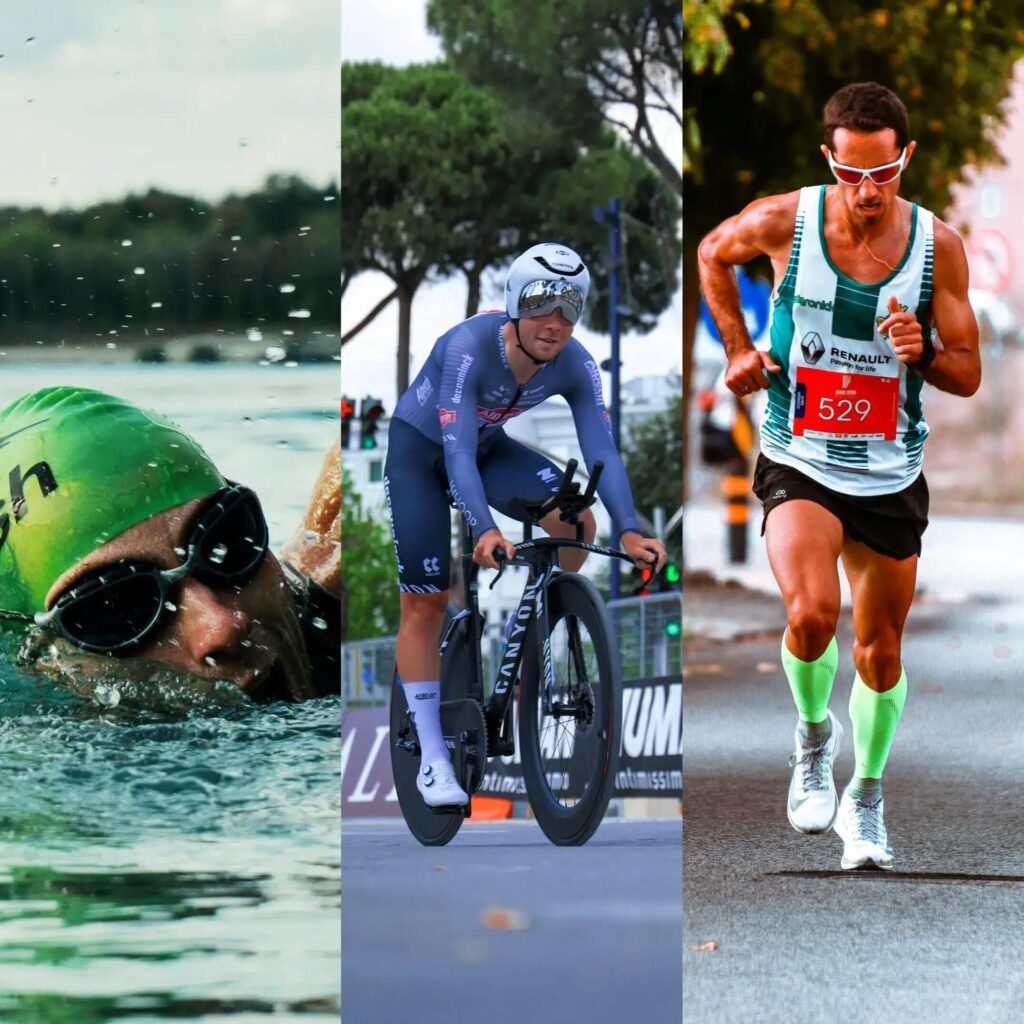
For triathletes, summer can also change the stress of each discipline. An open-water swim may feel easier than a hot run, while a long ride can quietly dehydrate you before a brick run even starts. Treat the full day as the workout, not just the main set.
The takeaway
Summer does not make you less fit. It makes training data noisier and recovery more important.
Adjust your expectations, give your body time to acclimate, test hydration before race day, and check air quality before hard outdoor sessions. The athletes who handle summer best are not always the ones who push hardest. They are the ones who adapt fastest.
Before your next hot workout, ask one simple question: what is the purpose of today’s session, and how do the conditions change the best way to complete it?



Leave a Reply