
Your sweat patch cannot write your hydration plan.
You can finish a summer ride with salt crust on your jersey and still have no clear idea how much sodium you lost. A sweat-testing patch promises something more useful: a number you can use to choose drinks, plan bottles, and prepare for long races. But you need to understand what that number represents before you build your fueling strategy around it.
Your best use for this gear starts with a narrow question: can you turn a local sweat sample into a more practical plan for the conditions you actually train in?
What your sweat patch actually measures
You’ll encounter several kinds of sweat-testing products. With some disposable patches, you collect sweat during exercise and scan a color change with your phone. With electronic sensors, you may receive ongoing readings through an app. Depending on the product, you may get sodium concentration, local sweat rate, estimated fluid loss, or a suggested hydration target.
Those outputs don’t all come directly from the sensor.
You might get a direct reading of a local sweat characteristic, followed by an algorithm’s estimate of your whole-body losses. Some systems assess chloride and use that result to estimate sodium. Before you buy, check exactly what your device measures and what its software calculates.
- Your sweat sodium concentration describes how much sodium a given volume of sweat contains.
- Your sweat rate describes how much fluid you lose through sweating over time.
- Your sodium loss rate combines concentration and sweat volume.
You need the last two pieces together. A high sodium concentration alone doesn’t tell you how much sodium you lose per hour.
Why one patch doesn’t give you a permanent sweat profile
You collect sweat from a small area, not your entire body. Your sampling location matters because sweat rate and composition vary across body regions. Your skin preparation, collection timing, exercise intensity, and environment can also influence the result.
You can explore these limitations in this research review of sweat rate and sweat sodium testing. The practical lesson for you: treat a field test as a sample from a particular session, not an unchanging biological identity.
If you test during an easy indoor ride, don’t automatically carry that result into a hot, hilly marathon. As you acclimatize to heat, you may also change both how much you sweat and how concentrated that sweat becomes.
Check these details before you buy
You’ll get more value from clear validation than from a dashboard full of precise-looking numbers. Look for evidence that matches your intended use, rather than assuming that every study of the underlying sensor validates every recommendation in the app.
- What does your output mean? Check whether you receive local measurements, whole-body estimates, or intake recommendations.
- How did the company validate it? Look for comparisons against an appropriate reference method during exercise, ideally with published results.
- Does your session fit the instructions? Check required placement, exercise duration, sweat volume, and environmental limits.
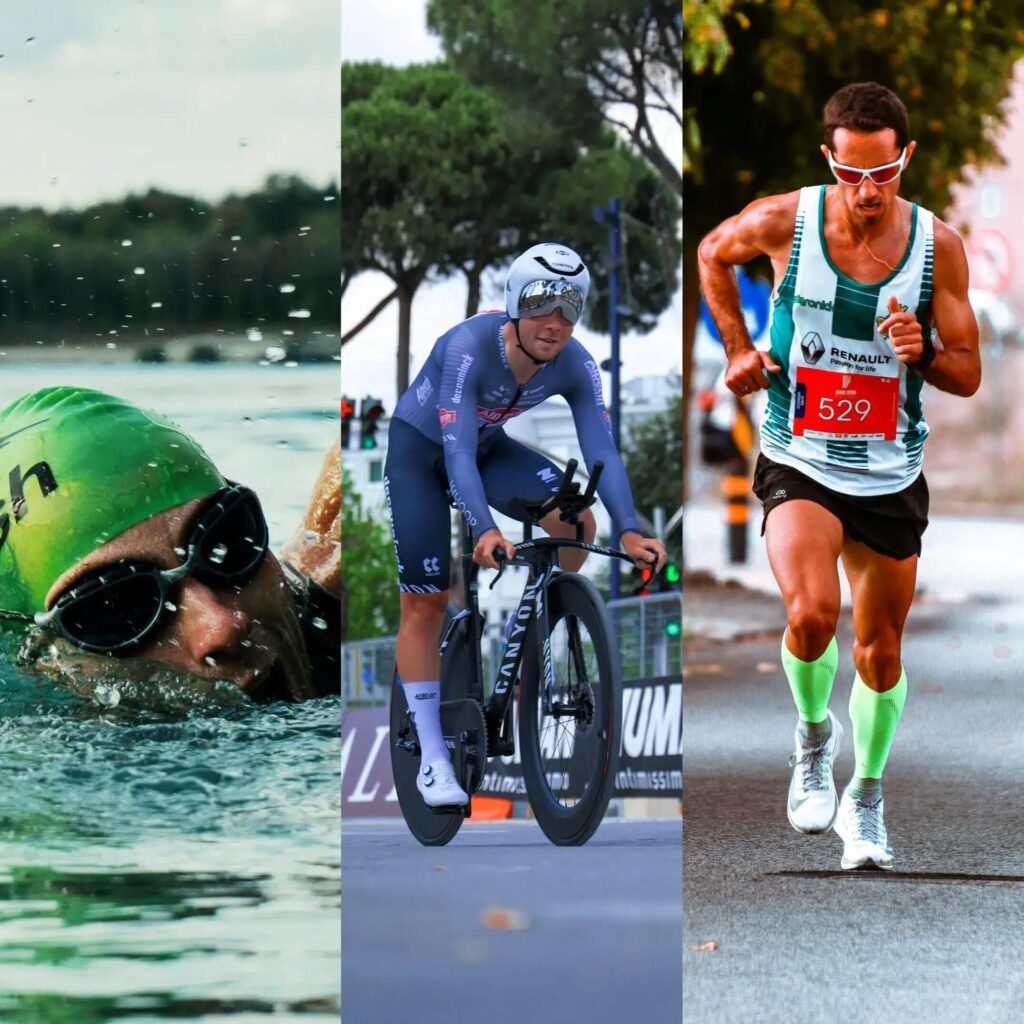
- Can you use it in your sport? Don’t assume that a patch suitable for cycling also supports swimming or a complete triathlon.
- What will repeat testing cost? Include disposable patches, replacement adhesives, and any app subscription in your budget.
Pair your patch with a simple sweat-rate check
You can estimate your whole-body sweat rate without buying another sensor. For a practical field check, weigh yourself before and after a representative session, use the same scale, and keep clothing and skin as dry as possible. Track everything you drink and any urine you pass during the session.
Estimated sweat loss in liters ≈ body mass lost in kilograms + fluid consumed in liters − urine passed in liters. Divide that estimate by your exercise time in hours to estimate your hourly sweat rate.
For example, if you lose 0.6 kg during a one-hour ride, drink 0.5 L, and don’t urinate, you estimate roughly 1.1 L of sweat loss. You still have a field estimate, not a laboratory measurement; longer sessions introduce more error from other changes in body mass.
You can find the broader guidance behind individualized fluid planning in the National Athletic Trainers’ Association position statement on fluid replacement.
Turn the result into a trial, not a replacement order
Suppose your sweat-rate estimate reaches 1.1 L per hour and your patch estimates a whole-body sodium concentration of 800 mg/L. Multiplying those values gives you an estimated sodium loss of 880 mg per hour.
You have a planning reference, not an instruction to consume exactly 880 mg every hour.
Your session duration, starting hydration, food intake, drinking opportunities, and gut tolerance all matter. You also shouldn’t force fluid simply to replace every drop of sweat. You can develop exercise-associated hyponatremia through excessive drinking, even when you choose a sports drink.
Start with your current routine and change one variable at a time. For a long rehearsal session, you might keep your usual fluid intake while trying a different sodium concentration. Record your thirst, stomach comfort, practical bottle needs, and how consistently you execute the plan.
Don’t use cramps, a headache, or fatigue alone to diagnose sodium depletion. If you experience confusion, collapse, or severe symptoms during exercise, seek urgent medical help rather than trying to correct an assumed electrolyte problem.
Repeat the conditions before you trust the pattern
You’ll learn more from a few comparable sessions than from unrelated tests across different sports and weather. Follow the product’s skin-preparation instructions, use its specified placement, and log temperature, duration, effort, fluid intake, and your result.
If you track heart rate alongside these tests, use it to describe the session’s effort, not to calculate sodium needs. You can use this guide to choosing a heart-rate sensor to improve that supporting record.
Buy the patch when you have a decision to make
You may find sweat testing useful when you regularly train for long events in heat and want to refine an established hydration routine. You’ll probably gain less when your main challenge involves carrying enough drink, remembering to drink, or tolerating your current fuel.
Before you spend, name the decision you want the result to change. Then combine your patch reading with a sweat-rate estimate and repeatable training trials. Your goal isn’t perfect replacement math. It’s a practical plan you can carry, tolerate, and execute.



Leave a Reply