

The fastest way to improve is not always to train harder every week. Sometimes, the better move is to train harder for a very short window, absorb it, then come out stronger.
That is the idea behind an overload block: a planned stretch of higher-than-normal training stress designed to create functional overreaching. It can work well for endurance athletes, but only when it has clear limits. Push the block too long, stack too much intensity, or ignore warning signs, and the same tool that builds fitness can become the start of a long recovery hole.
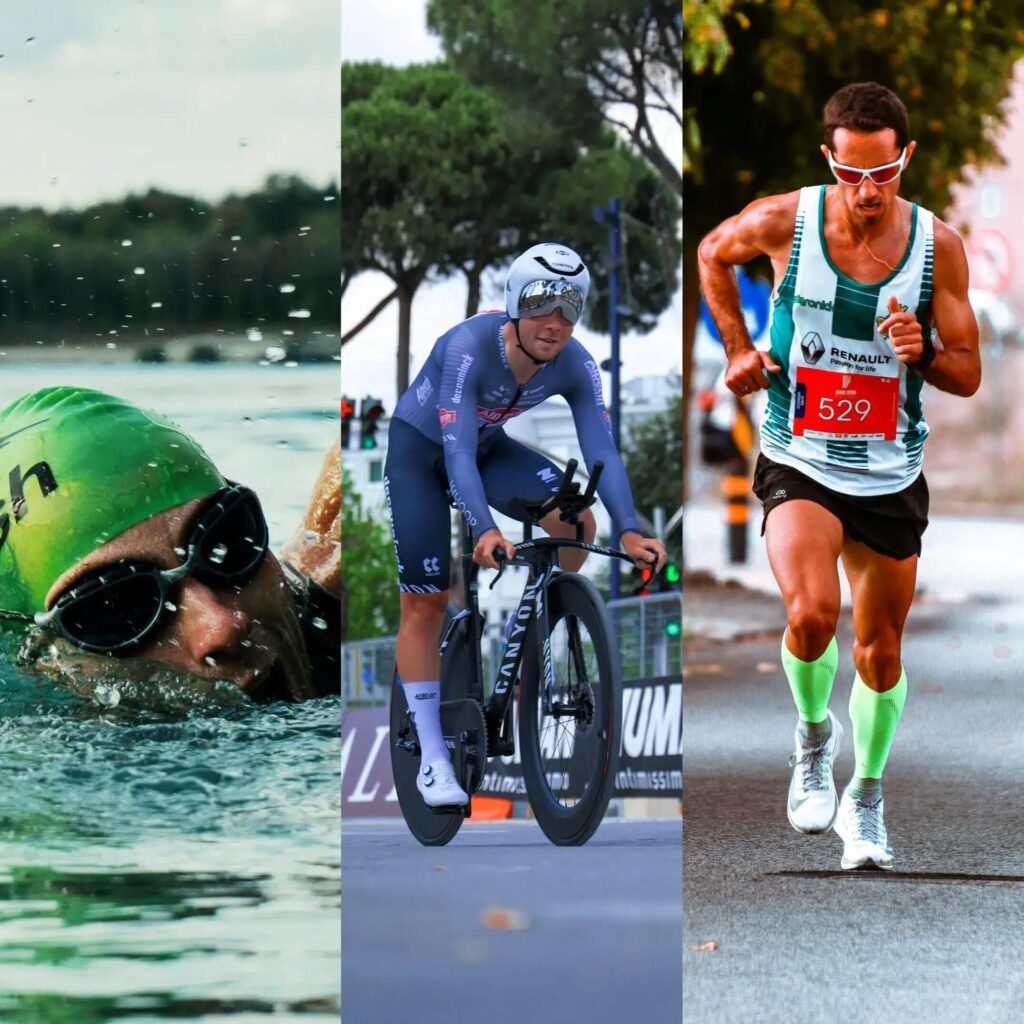
Here’s how to use overload blocks in running, cycling, swimming, or triathlon without gambling with your season.
What an Overload Block Actually Is
An overload block is a concentrated period of training where volume, frequency, or intensity rises above your normal baseline. The goal is temporary fatigue, followed by adaptation after recovery.
This is not the same as “training hard until you break.” In sports science, functional overreaching usually means performance may dip for a few days, but rebounds after recovery. Non-functional overreaching lasts longer, often weeks, with no clear performance gain. Overtraining syndrome is more serious and can take months to resolve.
The difference is not just how tired you feel during the block. It is how well you recover after it.
Why Short Overload Can Work
Endurance fitness responds to stress. A temporary bump in training can increase aerobic enzyme activity, improve glycogen storage, strengthen fatigue resistance, and sharpen your ability to perform when already tired.
That last point matters. Many races are not decided by your fresh 20-minute power, your best mile repeat, or how smooth your swim feels in the warm-up. They are decided by what you can do after two, three, or five hours of accumulated fatigue.
A well-built overload block teaches the body to handle that demand. It also teaches the athlete an important skill: staying calm when training feels heavy, without confusing normal fatigue for failure.
Who Should Use One?
Overload blocks are best for athletes who already have a consistent training base. If your training is irregular, adding a big stress spike is usually not the answer. Consistency should come first.
A good candidate can usually say yes to most of these:
- You have trained consistently for at least 8–12 weeks.
- You are sleeping well and not carrying unusual life stress.
- You are injury-free or not managing a flare-up.
- You can reduce training after the block without feeling guilty.
- You have at least two easy weeks before any important race or test.
If you are already dragging, getting sick often, or forcing workouts with poor sleep, skip the overload. You do not need more stress. You need better absorption.
The Safest Length: 3 to 7 Days
Most endurance athletes do best with a short overload block lasting three to seven days. That is long enough to create a training stimulus, but short enough to control the risk.
For runners, three to five days is often plenty because impact stress adds up quickly. Cyclists and swimmers may tolerate five to seven days more easily because the mechanical load is lower. Triathletes need to be careful because the total load can sneak up through frequency across three sports.
A simple rule: increase only one major variable at a time.
- Add volume, but keep intensity controlled.
- Add frequency, but keep sessions short.
- Add sport-specific race work, but do not also chase weekly mileage records.
The classic mistake is increasing everything at once: more hours, more intervals, more hills, more gym work, less sleep. That is not a training strategy. That is a stress pile-up.
Three Practical Overload Block Examples
For a runner building half marathon strength
Use a four-day block with slightly higher volume and one controlled quality session.
- Day 1: Easy run + 6 relaxed strides
- Day 2: Medium-long run at easy effort
- Day 3: Tempo intervals, such as 3 x 10 minutes at comfortably hard effort
- Day 4: Easy run on soft ground
The point is not to run every session fast. The point is to carry a little fatigue into the tempo day and still run with control.
For a cyclist preparing for long climbs
Use a five-day block focused on aerobic volume and low-cadence strength endurance.
- Day 1: Endurance ride, 90 minutes
- Day 2: Hill repeats at sweet spot effort, low cadence, controlled breathing
- Day 3: Easy spin, 45–60 minutes
- Day 4: Long endurance ride with the final hour steady
- Day 5: Recovery ride or complete rest if fatigue is high
This works because it builds fatigue resistance without turning every ride into a race.
For a triathlete in a base phase
Use a six-day frequency block, not an intensity block.
- Two short swims focused on technique and relaxed volume
- Three easy-to-moderate rides, with one longer ride
- Three short runs, all easy
- One light strength session, not a max-effort lift
The goal is to practice moving often while keeping the nervous system fresh. This is especially useful for athletes who need durability more than another hard workout.
The Recovery Week Is Part of the Block
An overload block is not complete when the last session ends. It is complete when you have recovered from it.
Plan the recovery before you start. Most athletes should reduce training load for three to seven days after a short overload. Keep some movement in the week, but cut volume and remove high-intensity work until signs of freshness return.
If you already use structured easier weeks, this should feel familiar. The key difference is that the downshift after an overload block is non-negotiable. For a deeper look at why backing off can move fitness forward, see Planned Deload Weeks: The Training Tool That Keeps Fitness Moving.
Red Flags That Mean Stop Early
Fatigue is expected. A downward spiral is not. During an overload block, stop or modify the plan if two or more of these show up:
- Your resting heart rate is unusually high for several mornings.
- Your sleep quality drops even though you are tired.
- Your mood changes noticeably: irritability, low motivation, or anxiety.
- Easy pace or power feels much harder than normal.
- You lose coordination or feel unusually clumsy.
- A small niggle becomes sharper or changes your stride, pedal stroke, or swim mechanics.
- You feel like you need caffeine just to start every session.
One bad workout is not a crisis. A pattern is information. The earlier you adjust, the less fitness you lose.
Keep the Stress Spike Controlled
One reason overload blocks go wrong is that athletes only count training stress. But the body counts everything: poor sleep, work deadlines, travel, heat, dehydration, under-fueling, and emotional stress.
If your life stress is high, make the training block smaller. If the weather is hot, reduce intensity. If you are increasing volume, do not also add a new strength routine. The best overload block is targeted, not heroic.
It also helps to avoid making the block too repetitive. Doing the same hard session day after day can raise risk without adding much benefit. If you want to understand why variety matters in the shape of a training week, this piece on training monotony for endurance athletes is a useful companion.
Fuel Like the Block Matters
Under-fueling turns productive overload into unnecessary strain. During a short overload block, this is not the time to chase weight loss.
For sessions longer than 75–90 minutes, many endurance athletes perform better with 30–60 grams of carbohydrate per hour. Longer or more demanding rides and runs may require more, depending on gut tolerance and intensity. Post-session, prioritize carbohydrate and protein, especially if you train again within 24 hours.
Simple habits work: eat before training, fuel during longer sessions, get a real meal afterward, and keep fluids visible throughout the day. The goal is to arrive at recovery with enough resources to adapt.
How to Know It Worked
Do not judge the block during the block. You may feel flat, heavy, or slow. That is normal.
Judge it five to ten days later. Good signs include:
- Easy sessions feel easy again.
- Your normal pace or power returns at a lower perceived effort.
- You feel motivated to train, not forced.
- Your legs feel springy rather than dull.
- A familiar benchmark session improves or feels smoother.
If you still feel buried after a week of reduced training, the block was probably too much. That does not mean the season is ruined. It means the next block needs less load, fewer days, or better recovery support.
A Simple Rule to Remember
Overload is useful when it is planned, limited, and followed by recovery. It becomes risky when it is open-ended.
If you want to try one, start small. Add three or four focused days, protect your sleep, fuel well, and schedule the easier days before you begin. The athlete who adapts the best is rarely the one who can suffer the most in a single week. It is the one who knows when to press, when to absorb, and when to move on.



Leave a Reply