

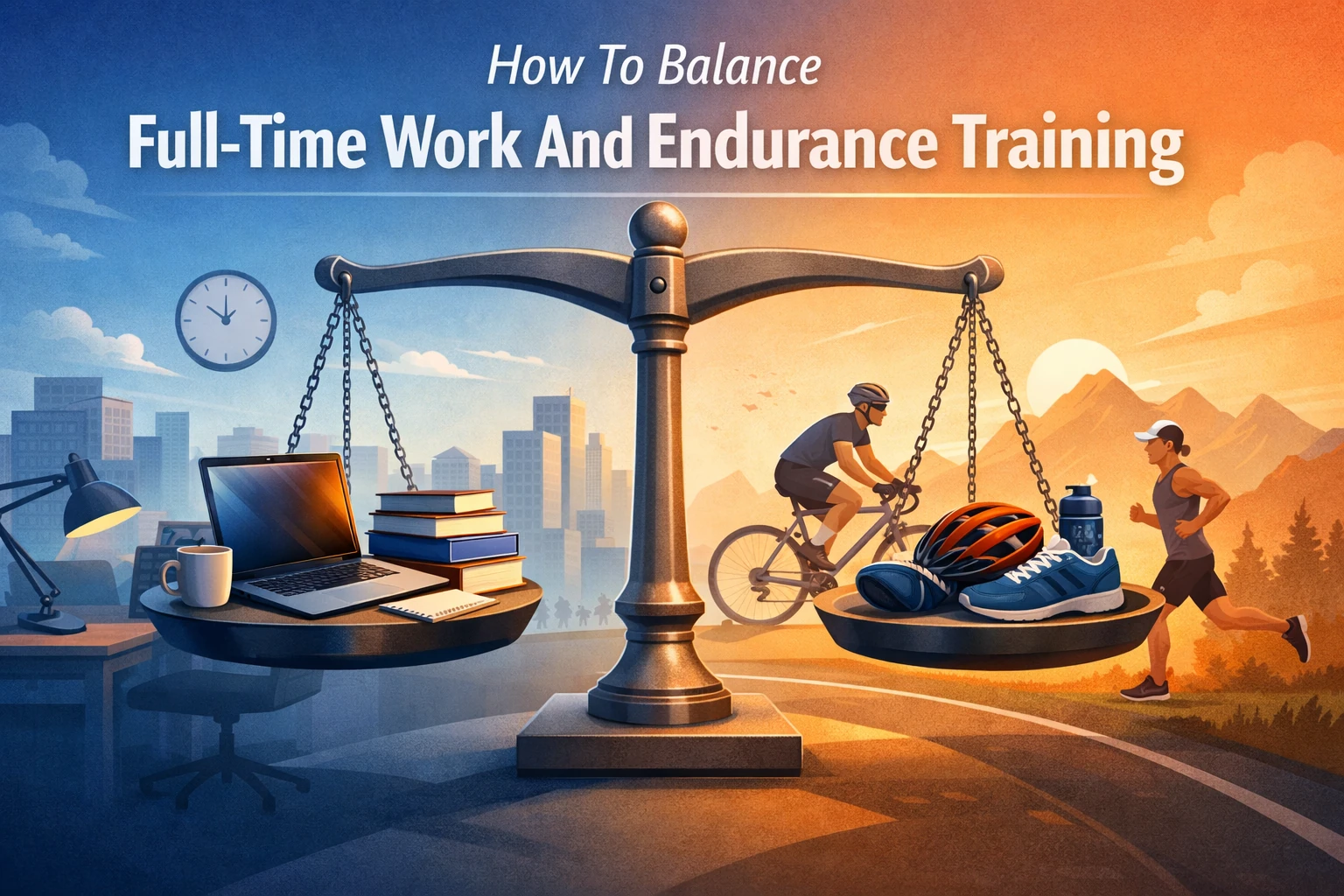
Balancing a full-time job with endurance training can feel hard, but it is possible with a clear plan and steady habits. This article explains simple, proven steps you can use to keep work performance high and training consistent. Read on for practical tips, weekly planning tools, and example schedules that you can adapt to your life.
You’ll get a clear process for planning training around busy workweeks. The guidance covers time management, choosing workouts, nutrition, sleep, stress control, and realistic sample schedules. Use these ideas to create a sustainable approach that fits your goals and energy.
Why balance matters
Balancing work and endurance training matters for both performance and wellbeing. When you keep a steady routine, your fitness improves without burning you out. A good balance helps you stay motivated and avoid long breaks that hurt progress.
Work stress and tight deadlines can sap the energy you need for hard workouts. If you ignore recovery or try to fit everything at once, your body and mind will signal for rest. A balanced plan spreads effort across the week and keeps intensity in check.
A clear plan reduces decision fatigue. When you have a simple schedule, you spend less time wondering what to do and more time doing it. That leads to better consistency and better results from the limited training time you have.
Balance also protects your long-term health. Training too hard on top of long work hours creates injury risk and chronic fatigue. By planning for recovery and realistic training loads, you will hit your goals without sacrificing your job, family time, or joy for the sport.
Plan your week
Good planning starts with a short weekly review. Spend 10 to 20 minutes on Sunday or Monday to check your work calendar, note key meetings, and estimate busy days. This quick step makes your training plan realistic and flexible.
Next, pick core training sessions for the week. Choose one to two high-quality sessions you want to protect, such as a long run or a threshold ride. Place them on the least busy days or on mornings when you feel most energetic.
Before listing workouts, use a short checklist to confirm what matters this week. This helps you set priorities and avoid overcommitting.
- Check major work deadlines and travel.
- Identify one or two must-do training sessions.
- Plan recovery and sleep windows.
- Block short sessions for strength or mobility.
- Accept swapping days if unexpected work appears.
Keep the plan flexible. Life at work changes. When you must shift a workout, move it to another time the same day or swap with an easy session. Flexibility prevents missed workouts and keeps stress lower.
Choose the right workouts
When time is limited, choose workouts that give the most benefit for effort. Focus on quality over quantity. Short, intense sessions and longer, easy sessions both have their place. The key is to match the format to your goal and weekly load.
Decide your main training focus for the week: endurance, speed, or recovery. Use that focus to pick two key sessions. For example, if endurance is the focus, protect a longer steady session. If speed is the focus, protect intervals or a tempo session.
Here is a clear list of workout types and when to use them. Read it and mark the sessions that match your goals and time availability.
- Long steady sessions: build aerobic base and time-on-feet. Use once per week when you can do 60+ minutes.
- Tempo or threshold sessions: increase sustained power and pace. Use once per week for higher training stimulus.
- Interval sessions: improve speed and VO2 max. Use short, intense intervals when you have time for focused work plus warm-up and cool-down.
- Easy recovery sessions: maintain frequency and aid recovery. Use these on high-stress workdays or after a hard session.
- Strength and mobility: two short sessions per week to reduce injury risk and improve efficiency.
Balance intensity across the week. Avoid stacking two very hard days in a row unless you can fully recover. Place an easy day or short recovery session after a tough workout to maintain consistency and reduce injury risk.
Nutrition, sleep, and recovery
Training and work both require energy. Good nutrition fuels performance and supports mental focus at work. Use simple habits that are easy to keep on busy days. Small wins add up over time.
Prioritize sleep as a recovery tool. Aim for consistent bed and wake times. Even small improvements, like cutting one late-night screen hour, can boost sleep quality and training energy. Treat sleep as a non-negotiable recovery session.
Before the list below, consider these practical recovery actions you can do even on busy days. They support training gains and help you feel better at work.
- Plan easy meals with a balance of carbs, protein, and healthy fats.
- Prep snacks and recovery drinks to use after tough sessions.
- Use short naps of 15 to 30 minutes if energy is low and sleep was short.
- Include mobility or light stretching sessions after work to unwind the body.
- Schedule at least one full rest day per week to recover mentally and physically.
Hydration and simple carbohydrate intake after a long or intense session speed recovery. A practical habit is to carry a bottle and have a planned post-workout snack so you do not skip refueling when time is short.
Work, stress, and energy management
Work stress and deadlines can change your energy quickly. Use energy management techniques to protect training quality. A few small habits at work reduce fatigue and free energy for evening workouts.
Start with short breaks during the day. Five minutes away from the desk every hour can lower fatigue and improve focus. These breaks can make you more productive so you finish work faster and make time for training.
Below is a list of practical strategies to manage energy and stress while keeping training intact. Each item is easy to test for a week and then adjust based on results.
- Batch similar tasks to reduce mental switching costs.
- Use a single short to-do list with three priorities per day.
- Block uninterrupted time for deep work to finish faster.
- Communicate your training windows to colleagues when possible.
- Use breathing or short mindfulness breaks to reset energy between meetings.
Being honest with yourself about energy levels is essential. If a day is especially draining, choose an easy recovery workout or mobility session. Skipping one intense workout is often better than forcing it and risking illness or injury.
Sample schedules you can adapt
Sample schedules help you visualize how to fit training into a busy week. Use them as templates and change session length based on your available time. Each sample keeps two core sessions and several short support sessions.
Below are three simple weekly templates for different availability. Read the brief lead-in before the list and pick the one closest to your week length. Then tweak it to fit meetings or family needs.
- Three-evening sessions (for 30-45 minute workouts): Mon – short intervals, Wed – strength and mobility, Fri – tempo, Sat – long easy session, others easy or rest.
- Two-morning key sessions (for early risers): Tue morning – threshold or intervals, Thu morning – strength, Sat long ride or run, Mon/Wed easy recovery runs, rest Sunday.
- Weekend-heavy plan (for heavy workweeks): Tue short interval or tempo, Thu easy strength or mobility, Sat long session 90+ minutes, Sun easy recovery, midweek rest days.
Make the schedule your own. Block training times in your calendar like a meeting. This simple act reduces the chance that work or errands will replace your workouts. Keep sessions consistent and flexible enough to shift when needed.
Key Takeaways
Balancing full-time work and endurance training is a long-term effort. Use weekly planning, protect one or two quality sessions, and keep the rest of the training flexible. Small, consistent actions beat occasional long pushes.
Focus on recovery with good sleep, proper fueling, and easy mobility work. Manage work energy with short breaks and clear priorities. These changes improve both work output and training gains.
Start with one week of planning and a simple template. Test what fits your energy and schedule. Adjust session times and intensity as your work load changes. This steady approach keeps both your job and your training strong.
Stay patient and enjoy the process. Consistency will build endurance and confidence. Use the ideas here to create a plan you can keep for months, not just a few weeks.
Leave a Reply